AI toxicity prediction software for organoid images completed
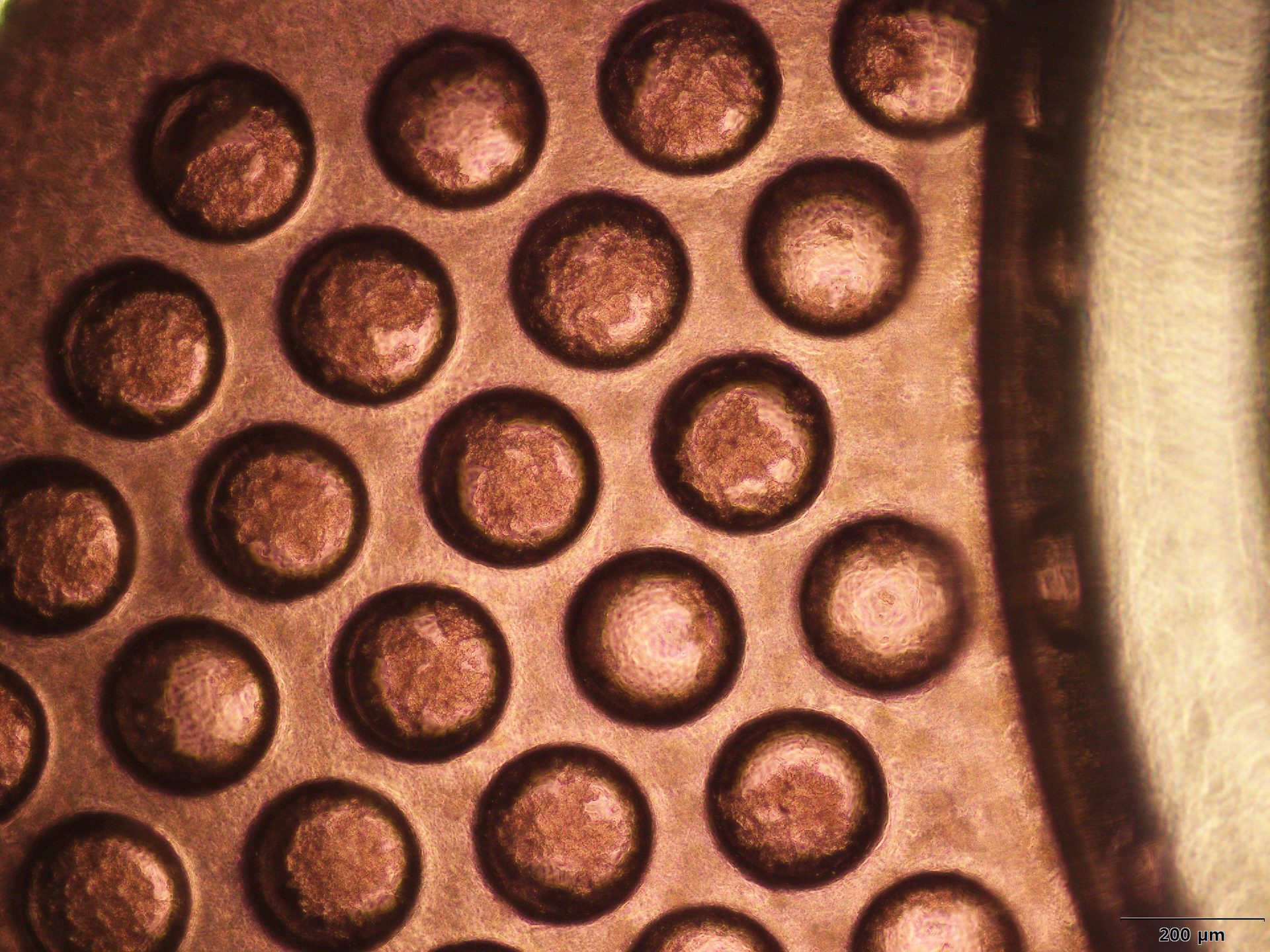
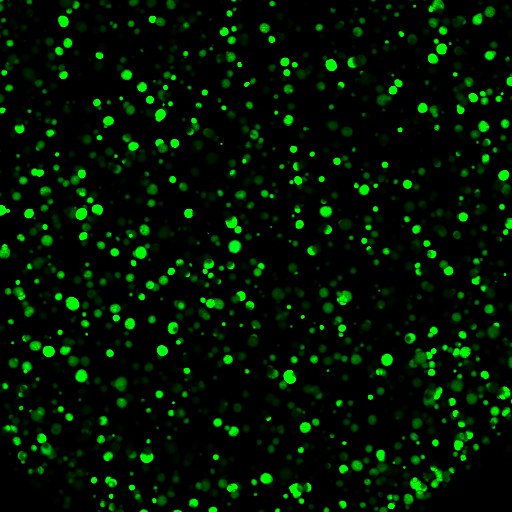
The software detects Port Pocket microwells, screens well quality, segments fluorescence images, predicts early toxicity and generates reports.
Organoids reproduce human tissue far better than animal models, yet in most labs they are still hard to grow consistently and hard to read objectively.
AiderBio builds the hardware and the software to fix both problems at once: a culture kit that keeps organoids in place through every media change, and an AI that turns microscope images into consistent toxicity calls. Our first application is ophthalmology, where animal models predict human outcomes especially poorly.
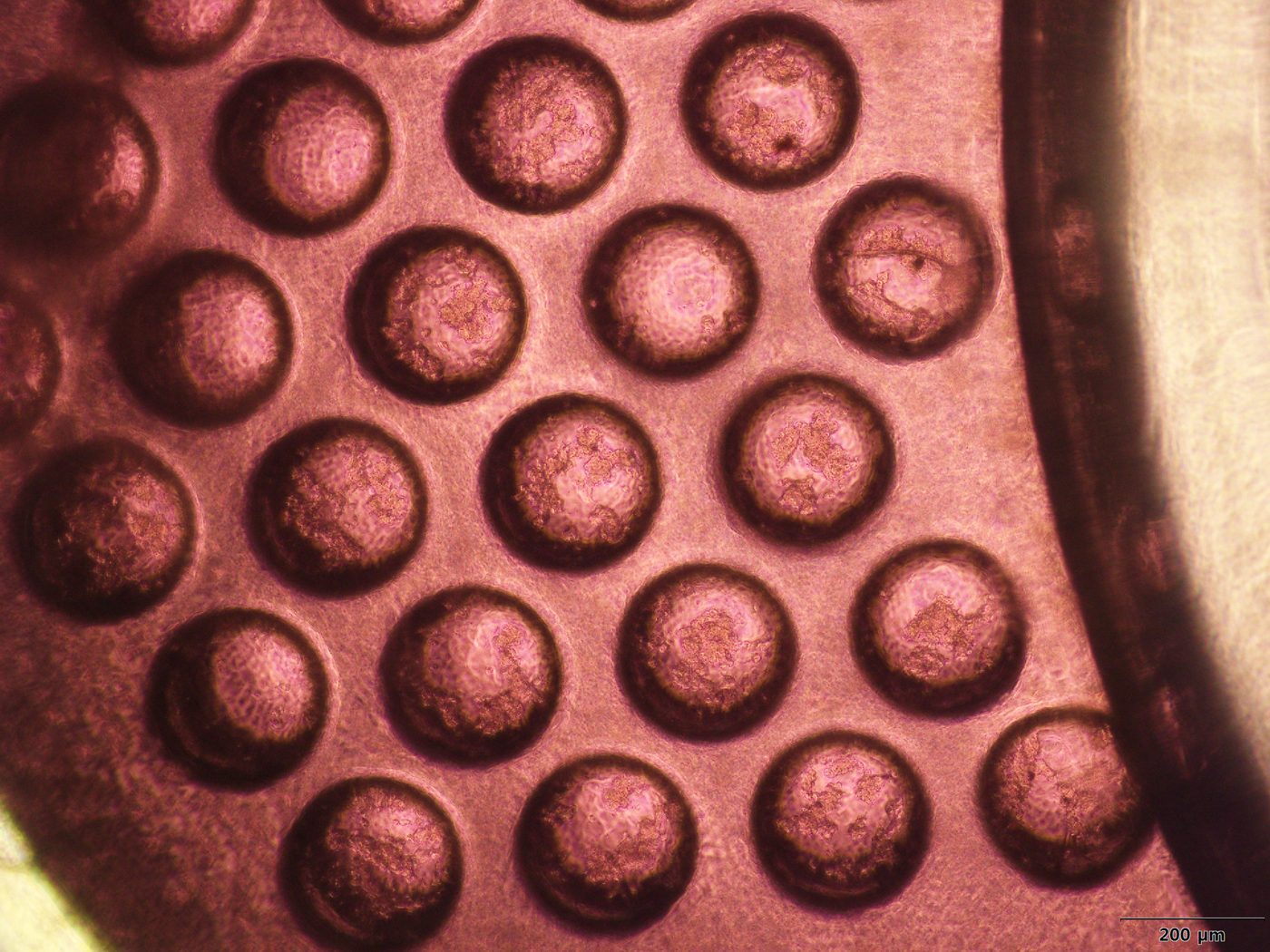
OrganoKit keeps organoids in their microwells through every pipetting step and media change.
Discover OrganoKitOur AI reads brightfield and fluorescence images and flags toxicity before the assay endpoint.
Explore the AIBioengineers, pharmacologists and clinicians working toward human-relevant drug testing.
Meet our teamMost drug candidates that pass animal studies still fail in human trials. Regulators are responding: in 2025 the U.S. FDA announced a roadmap to reduce animal testing requirements and to accept data from New Approach Methodologies (NAMs) such as organoids and computational models.
The retina, macula and optic nerve are highly specific to humans. We combine patient-derived ocular cells from our clinical partners with a standardized culture format and AI readout, so that ophthalmic drug candidates can be tested on human cells earlier and more reliably.
The software detects Port Pocket microwells, screens well quality, segments fluorescence images, predicts early toxicity and generates reports.
We use molecular modeling and drug discovery tools (Discovery Studio) through the program.
Application No. 10-2026-0112592. The patent covers the kit structure that separates the culture zone from the pipetting zone.
We welcome research collaborations, PoC studies, OrganoKit sample requests and partnership inquiries from pharma, CROs, hospitals and academic labs.
qaz8949@aiderbio.com